When you’re on the road, your safety—and that of your passengers—relies heavily on your vehicle’s braking system. One of the most critical components in this system is the brake pads, which wear down over time and need to be replaced. But a question on many drivers’ minds is:
How long do brake pads last? When should they be changed?
The answers to these questions can impact not just your driving comfort, but potentially your life.
What Are Brake Pads?
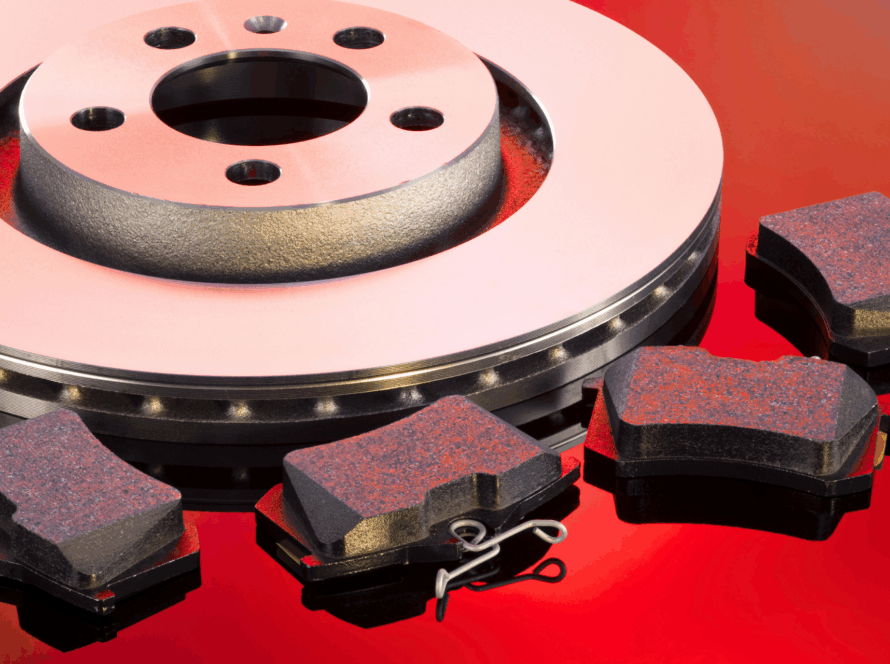
Brake pads are friction materials that press against the brake discs (or rotors) to slow down and stop the vehicle. Every time you apply the brakes, the pads create friction with the disc, converting kinetic energy into heat. Over time, this friction wears the pads down, making them less effective and eventually unsafe.
Average Lifespan of Brake Pads
On average, brake pads last between 30,000 and 70,000 kilometers (about 20,000–45,000 miles). However, this is not a fixed number—it depends on several key factors.
Factors That Affect Brake Pad Life:
Manual vehicles can use engine braking to reduce pad wear.
- Driving Style:
Aggressive braking and frequent stop-and-go driving wear pads out faster.
Smooth, anticipatory driving extends their lifespan.
- Vehicle Type and Weight:
Heavier vehicles, SUVs, and commercial vehicles tend to wear pads faster.
Lighter vehicles typically experience slower wear.
- Road Conditions:
Hilly or mountainous roads, sharp curves, and heavy traffic increase brake usage.
Highway driving is generally easier on brake pads.
- Brake System Quality:
High-quality pads last longer and perform better.
Low-cost, poor-quality pads wear out quickly and may reduce safety.
- Transmission Type:
Automatic vehicles tend to rely more on brakes.
Signs Your Brake Pads Need Replacing
- Squeaking or grinding noises when braking
- Longer stopping distances
- Soft or vibrating brake pedal
- Vibration in the steering wheel or pulling to one side
- Dashboard brake warning light (in some modern vehicles)
If you notice any of these symptoms, don’t delay—have your brakes inspected immediately.
Why Is Replacing Brake Pads Important?
- Safety: Worn pads increase stopping distances, especially in emergencies.
- Protecting the Brake Discs: Severely worn pads can damage the rotors, leading to expensive repairs.
- Vehicle Control: The brake system is essential for maintaining vehicle stability.
- Legal Responsibility: Driving with unsafe brakes can result in fines and liability in the event of an accident.
When Should You Check Your Brake Pads?
- Have them checked every 10,000–15,000 km (6,000–9,000 miles).
- Include brake checks in your regular maintenance routine.
- Always check before a long trip for added safety.
Why Brake Pad Quality Matters
Low-quality brake pads may be cheaper, but they wear out faster, make noise, reduce braking performance, and may even damage your brake discs.
High-quality brake pads:
- Minimize wear on brake discs
- Operate quietly
- Offer stronger braking power
- Last longer
Conclusion: A Life-Saving Component Under Your Control
Brake pads are not always visible, but they play a critical role in road safety. Understanding when to replace them and performing regular maintenance isn’t just a smart choice—it’s a potentially life-saving one.
Remember: Safe journeys begin with reliable brakes.
Listen to your brakes before they start shouting for attention.